
TPI 2026 Turfgrass Conference: What It Means for Tampa Bay Lawns
The TPI 2026 International Education Conference drew 700+ growers to Tucson. Here's what the research means for your Tampa Bay yard.
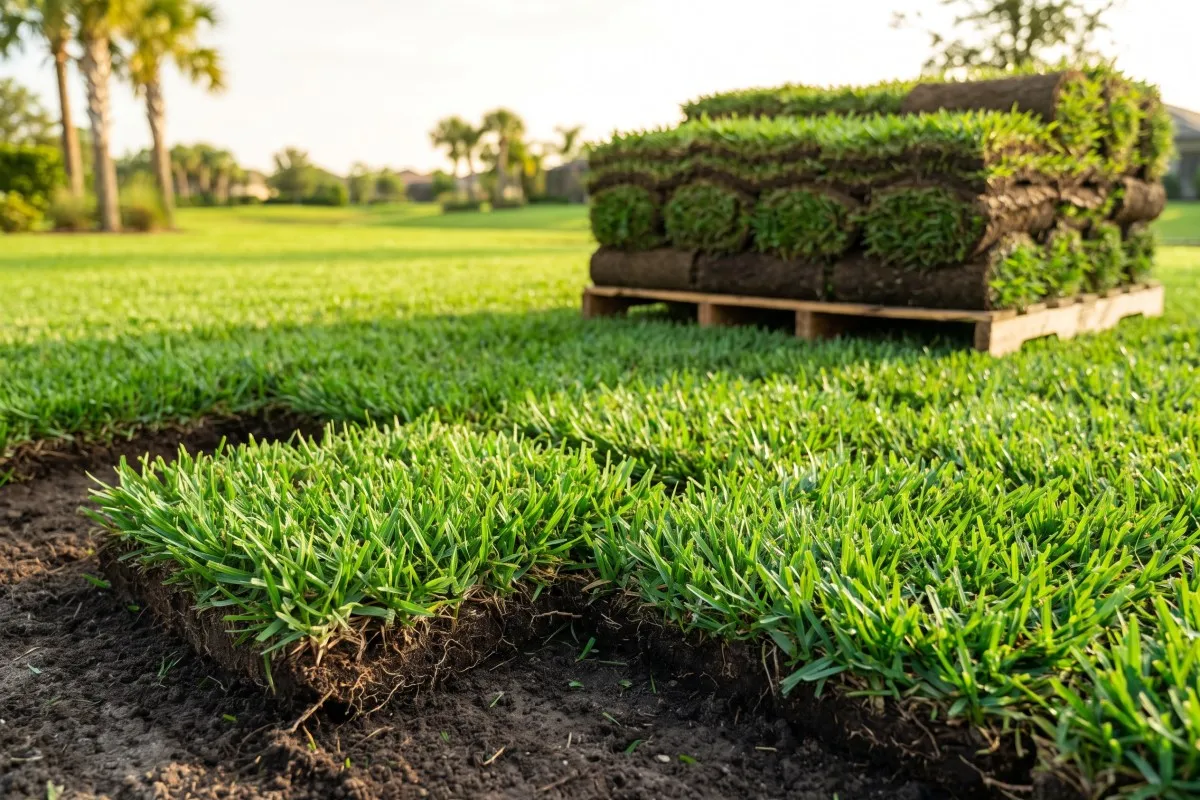
More than 700 growers and industry professionals gathered in Tucson this winter for the TPI 2026 International Education Conference, the event turfgrass producers treat as their biggest research and business gathering of the year. It ran February 15 to 19 at the JW Marriott Tucson Starr Pass, with people from nine countries in the room. We are a family-owned sod crew in Riverview, not a research lab. But we read what comes out of that gathering, because it shapes what we lay down in yards across Brandon, Valrico and Apollo Beach. Here is what actually reaches your lawn.
What a 700-grower conference actually signals
The useful thing about a room this size is not any single announcement. It is scale. Roughly three-quarters of the attendees were growers who cut and ship sod for a living, and more than 35% were owners and company presidents, per TPI’s recap. That is an industry putting real money behind where turfgrass is headed. The grass you install today is a ten-year decision, so it pays to know which way the smart money leans.
Inside the sessions
More than 15 speakers ran the preconference and general sessions, and the agenda stayed practical. One track walked growers through using weather data to mitigate risk, which lands hard for anyone farming in Florida’s storm season. Another dug into policy, specifically the push to have sod recognized and treated as agriculture rather than ornamental landscaping. The rest was farm economics, from pricing to the hiring tips that keep a sod operation solvent.
Evergreen Turf hosted the field day out in the Arizona desert, with live equipment demos and suppliers from every corner of production. Dry-climate sod farming has lessons for us. The methods that keep grass alive on Arizona irrigation limits map straight onto Florida’s tightening watering days.
Drought tolerance is where the breeding work is aimed
The clearest signal for Florida homeowners is water. University programs across the South are pouring effort into grasses that hold color and root depth on less irrigation. A multi-year, USDA-funded project led out of North Carolina State is doing exactly that, working to improve drought tolerance in the warm-season grasses used across southern landscapes, according to the USDA National Institute of Food and Agriculture.
Why it matters in zone 9b
We sit in USDA hardiness zones 9b and 10a. Warm-season roots run year round here, but watering days keep shrinking under county restrictions. A grass bred to survive on less has stopped being a luxury. It is the gap between a lawn that coasts through a dry spring and one that browns out. This is also why we install sand-bottom sod. Grass grown on sandy soil, not muck, roots deeper and faster into our native ground, which is the cheapest drought insurance there is before any new variety enters the picture.
Disease resistance and smarter pest management
The second theme was disease. Fungal pathogens cost turf producers and homeowners real money, and scientists spent early 2026 mapping how those diseases spread and how grasses fight back, as covered in this February 2026 report on protecting turfgrass from fungal foes. The industry direction is integrated pest management: resistant genetics and targeted treatment instead of blanket spraying.
Three habits that keep fungus out
For your yard, it translates cleanly. Pick a variety with documented disease resistance, then give it the conditions fungus hates:
- Cut at the right height. Mowing too low stresses the blade and opens the door to infection.
- Water in the morning. Blades dry by midday instead of staying wet through the night.
- Kill standing water. Grade out the low spots where pooling feeds pathogens.
Our rainy season makes this non-negotiable. When gray leaf spot or brown patch shows up, catch it early. Our fungal disease guide for Tampa Bay lawns walks through what to look for.
Sustainable turf, not slogans
Sustainability was the third thread, and the honest version is unglamorous. Less water. Fewer inputs. Grass that performs without babysitting. For a homeowner on a metered well or a fixed watering schedule, that is not a marketing angle. It is the only version that pays.
Who the industry chose to honor
Recognition tells you what a field values. TPI gave its Turfgrass Educator Award of Excellence to Kevin Kenworthy, PhD, a plant-breeding professor at the University of Florida’s Institute of Food and Agricultural Sciences, per TPI’s award recap. Florida breeding got the spotlight. The varieties his program develops are built for our heat and sand.
What we do with all of it
We read this so you do not have to. The through line across the research is consistent: more resilience on less water. That points homeowners toward proven Florida-bred grasses like CitraBlue St. Augustine and toward planting habits that keep any lawn healthy. For the fuller picture of what reaches your yard this year, see our 2026 turfgrass industry trends guide. When you are ready to pick a grass, our project managers will walk your yard with you and match the variety to your soil and your traffic. No hype, just the grass that will still look good in a decade.

Fresh-cut sod installation, replacement, and delivery in the Tampa Bay area.
Continue reading
Turfgrass Industry Trends 2026: A Tampa Bay Homeowner Guide
The turfgrass industry trends 2026 that actually reach a Tampa Bay yard: a first-ever USDA sod insurance program, plus the tighter water rules and Florida breeding we track.
SWFWMD Water Restrictions and Tampa Bay Lawn Care: A 2026 Irrigation Guide
SWFWMD water restrictions lawn care Tampa Bay: the 2026 one-day-a-week rule, county-by-county watering hours, and the new-sod window, explained.
Sod Installation & Home Value in Tampa Bay Backyards
Sod installation and home value in Tampa Bay go together. Here's the lifestyle and resale return behind a new lawn, minus the overpromising.