
Citra Blue St. Augustine in Florida: Worth the Upgrade?
Citra Blue St. Augustine Florida review: how its blue-green color and disease resistance beat Floratam for Tampa Bay lawns, and who should upgrade.
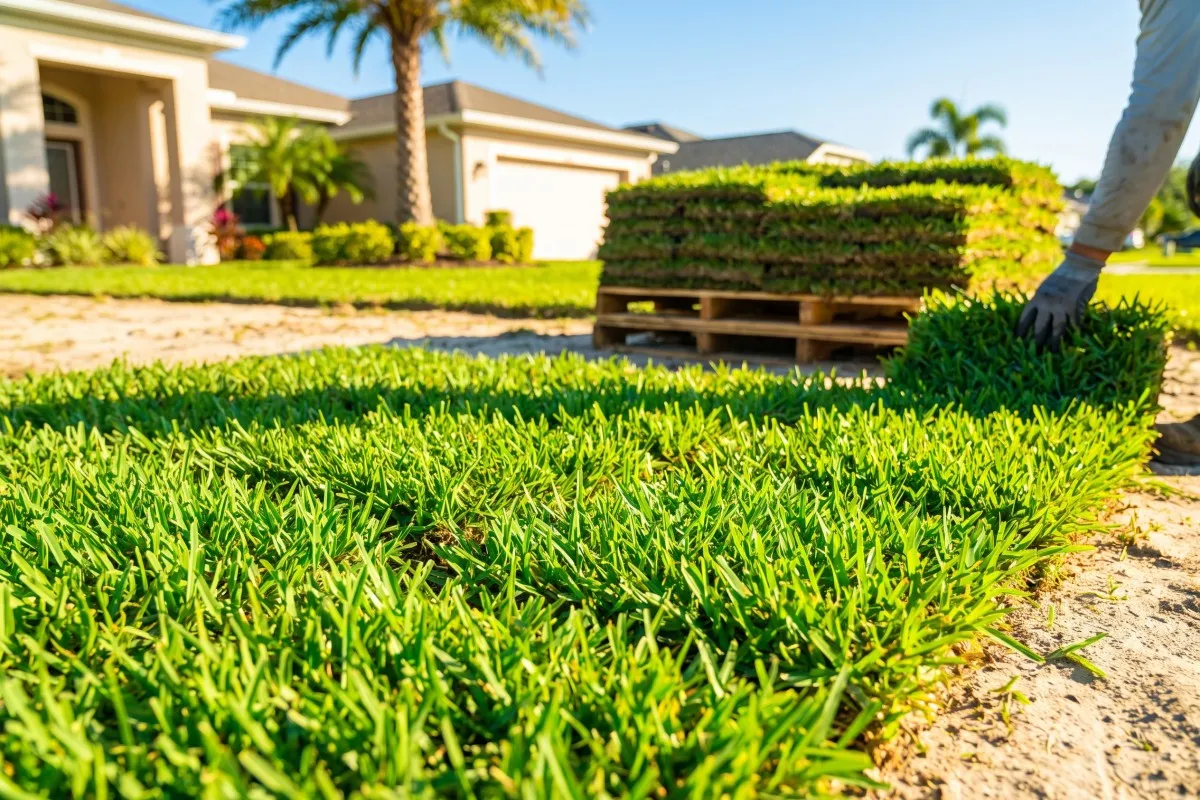
If you have fought brown patch or gray leaf spot on an aging St. Augustine lawn, Citra Blue St. Augustine in Florida is the variety we get asked about most. Our short verdict: it is a genuine step up in disease resistance and color over Floratam, and for shaded or fungus-prone yards it is often worth the higher price. It is not magic, and it is not for every lot. Here is where it earns the upgrade, and where it does not.
Citra Blue (branded CitraBlue®) came out of the University of Florida turfgrass program under breeder Kevin Kenworthy and reached the market in 2018 (UF/IFAS). We install it across Riverview and Brandon, so this review comes from yards we actually walk, not a catalog page.
What Citra Blue St. Augustine is, in plain terms
Citra Blue is a St. Augustinegrass cultivar bred for the two things that break Central Florida lawns: shade and disease. It carries a blue-green color that reads darker than a typical St. Augustine, and it grows low and prostrate instead of shooting up (Sod Solutions). That sideways habit keeps the canopy dense, and a dense canopy crowds out weeds.
The disease resistance, measured against our wet season
This is the reason most of our customers ask about it. Citra Blue was bred with strong resistance to gray leaf spot, large patch and take-all root rot, the fungal problems that flare when Tampa Bay’s rains arrive (Sod Solutions Pro).
Context is everything here. The Gulf Coast averages more than 50 inches of rain a year, most of it in concentrated afternoon storms from June through September. Between those storms the humidity barely breaks and the soil stays warm, which is close to a perfect incubator for turf fungi (UF/IFAS). Floratam sits right in that crosshair. It is susceptible to gray leaf spot, and we see it lose ground every wet season.
Now the honest part. Resistant does not mean immune. UF trials show Citra Blue takes less damage from gray leaf spot than older cultivars, but it can still catch some in a bad stretch (UF/IFAS). We tell every customer the same thing. The variety lowers your risk. It does not remove your need to mow and water the lawn correctly. If you want to know what these diseases look like before they spread, our Tampa Bay lawn fungus guide walks through the symptoms.
Citra Blue vs Floratam in Tampa Bay
Floratam has been the region’s default since the University of Florida and Texas A&M released it in 1973 (UF/IFAS). It is coarse and cheap. It is reliable in full sun. So the real question is not whether Citra Blue is a better grass on paper. It is whether the upgrade pays off for your specific yard. Here is how the two split on the criteria that decide it:
- Shade: Citra Blue holds up in part shade far better than Floratam, which thins under any real tree canopy.
- Disease: Citra Blue resists gray leaf spot and large patch; Floratam is prone to both.
- Mowing and fertilizer: Citra Blue mows lower and less often, and it is nitrogen-efficient at roughly 2 to 3 pounds of N per 1,000 square feet a year (UF/IFAS).
- Cost and availability: Floratam is cheaper and easier to source on a given week.
For a wider head-to-head that also covers ProVista and Bitter Blue, see our St. Augustine variety comparison.
Color and maintenance: the tradeoffs nobody mentions at the pallet
The color homeowners notice first
The blue-green color is real, and it is the first thing homeowners notice when we roll out squares of fresh Citra Blue. It photographs well. It also holds tone on less fertilizer, which suits Florida’s rules on nitrogen use.
The thatch you have to manage
That low, aggressive growth has a flip side worth planning for. All that lateral spread can build thatch, the spongy layer of runners and stems above the soil, faster than an upright grass would (UF/IFAS). Left alone, thatch holds moisture at the crown and can undo some of the disease advantage you paid for. The fix is not complicated. Mow at the right height and watch the layer over the first couple of years.
One more note on siting. Citra Blue’s shade tolerance is among the best of the warm-season grasses, but dense, all-day shade under a live oak still beats every St. Augustine. If your problem spot never sees direct sun, our shade-tolerant sod guide is the better starting point.
Our verdict: who should upgrade to Citra Blue
Upgrade if your lawn has a real reason to. A yard that browns out with fungus each August. A lot with mixed sun and shade. Those are the sites where Citra Blue earns its price with us. It is one of the strongest newer St. Augustines we install, and as of 2026 it is our usual first suggestion for fungus-prone Riverview and Brandon yards.
Stay with Floratam if you have an open, sunny lot on a tight budget and no history of disease. There is no shame in the workhorse. The point is to match the grass to the ground.
Whatever variety you land on, we install it as sand-bottom sod so it roots cleanly into Central Florida’s sandy soil, and Tampa Bay’s mild winters mean it can go down in nearly any month of the year. When you are ready, one of our project managers can walk your property and tell you honestly whether Citra Blue is the right call for your yard.

Fresh-cut sod installation, replacement, and delivery in the Tampa Bay area.
Continue reading
ProVista St. Augustine in Florida: The Weed-Suppressing Sod Changing Tampa Bay Lawns
ProVista St. Augustine Florida homeowners keep asking about: does its slow-growing, weed-resistant genetics justify stepping up from Floratam? Our verdict.
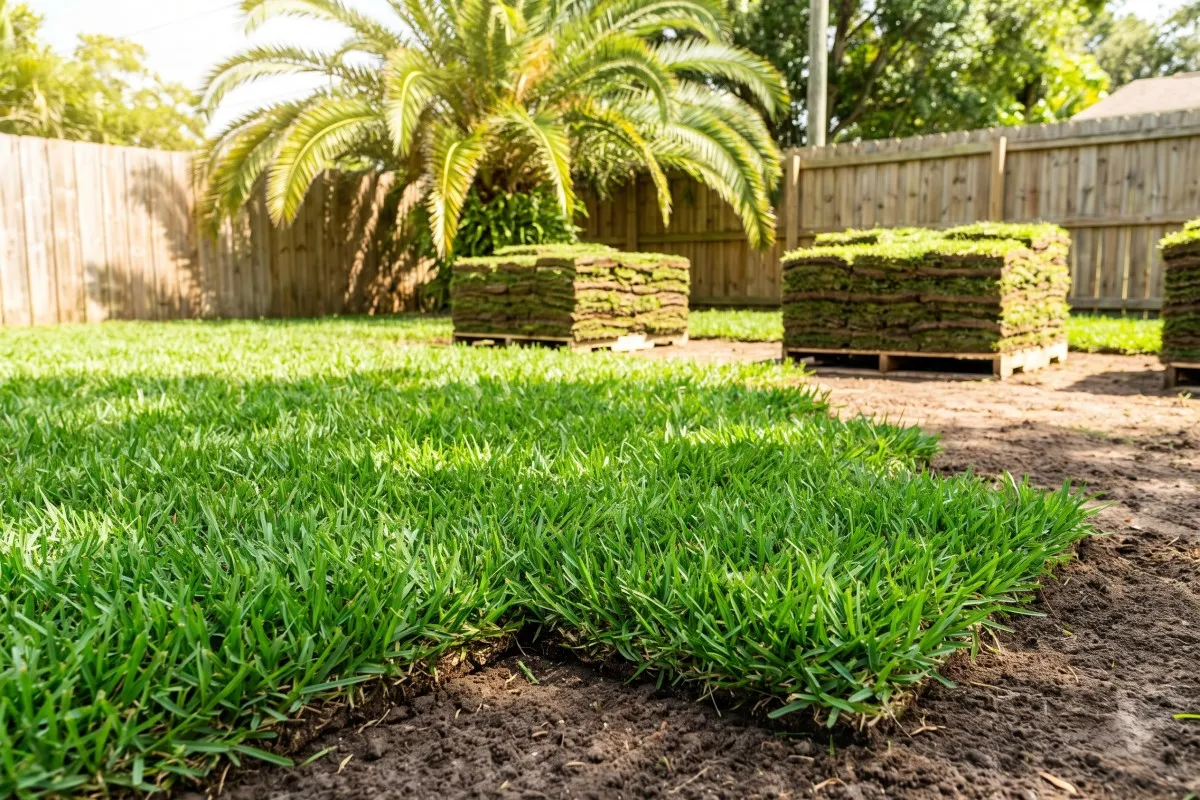
Bimini Bermuda Sod in Florida: The Fast-Recovering Grass for High-Traffic Yards
Bimini Bermuda sod in Florida bounces back fast from kids, dogs, and heavy use, on open sunny lots. Here is our honest field read for active yards.
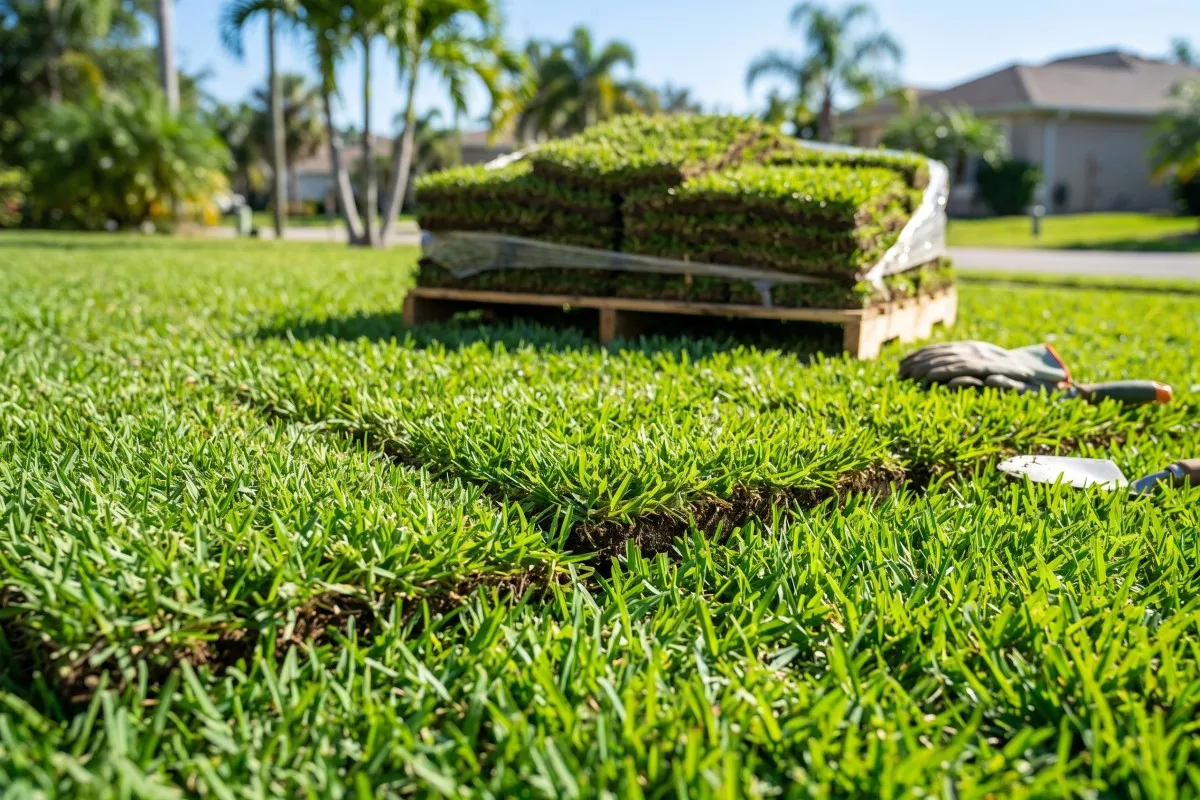
St. Augustine Grass Varieties in Tampa Bay: Floratam vs. ProVista vs. Bitter Blue vs. CitraBlue
Compare the St. Augustine grass varieties Tampa Bay lawns rely on: Floratam, ProVista, Bitter Blue and CitraBlue, and how to pick the right one.